The Symphony of the Classroom: How to Succeed in a Mixed-Ability ESL Environment?
13th July 2026
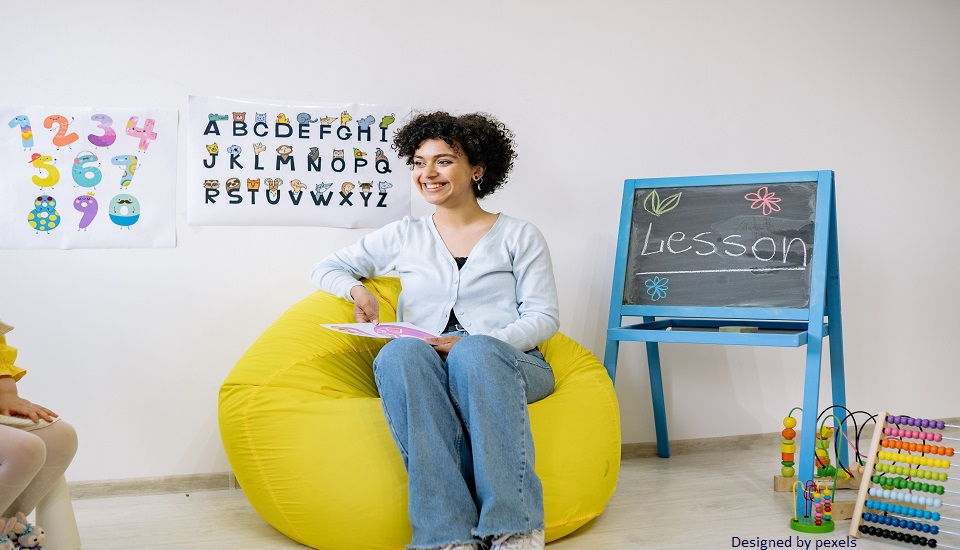
Walk into any ESL classroom today and you will hardly find students moving at the same pace. One learner may speak confidently but struggle with grammar. Another may understand written English well but hesitate to speak. Someone else may be new to the language altogether. This is what makes mixed-ability ESL classrooms both challenging and extremely rewarding.
Across the world, English continues to form education, employment, migration, business, and worldwide communication. The British Council notes that around 1.4 billion people want to learn or are learning English, showing how extensive and miscellaneous the learner base has become. For teachers, this means one thing evidently: mixed-ability teaching is no longer an exception. It is the everyday reality.
So, how can ESL teachers manage different learning levels without making advanced learners feel bored or beginners feel left behind?
The International Demand for Linguistic Upskilling
The global demand for linguistic upskilling is expanding at an extraordinary rate. The international English Language Teaching (ELT) market has reached a staggering $95 billion valuation, with more than 2 million teaching jobs opening annually across the globe. Driven by an estimated 2 billion people actively learning English, modern classrooms are more beautifully complex and varied than ever before.
For prospective educators and working professionals looking to improve their skills, mastering the mixed-ability environment isn’t just a niche classroom management technique, it is the exact high-value asset that separates average tutors from top-tier, internationally competitive educators.
Instead of viewing a widespread linguistic spectrum as a logistical hurdle, elite teachers treat it as a creative laboratory. Turning a mixed-level room into a high-performance learning environment requires moving past rigid, one-size-fits-all mentalities and adopting dynamic, human-centered approaches.
How Can ESL Teachers Manage Different Learning Levels?
The answer starts with understanding that mixed ability does not mean “weak and strong students” sitting in the same room. It means different fortes, learning speeds, personalities, goals, and language experiences. A learner who cannot write a long paragraph may still be excellent at listening. A quiet student may comprehend much more than they can express. When teachers look beyond test scores, planning becomes more meaningful.
One of the most effective approaches is differentiated instruction. This does not mean creating a distinct lesson for every student. That would be fatiguing and unrealistic. In its place, it means designing one lesson with flexible entry points. For instance, during a speaking activity, beginners can use sentence starters, intermediate learners can build short dialogues, and advanced learners can add opinions, reasons, or follow-up questions. Everyone works on the same theme, but the level of challenge changes.
Grouping also matters. Numerous teachers group students by similar aptitude, but mixed grouping can be just as powerful when used cautiously. Pairing a confident speaker with a hesitant learner can encourage peer support. Though, stronger students should not become unpaid assistant teachers. Their role should be meaningful too. Give them extension tasks, leadership moments, or deeper questions so they continue learning while helping others unsurprisingly.
Clear routines are another lifesaver in mixed-ability ESL classrooms. When students know what to do at the start of class, how to ask for help, where to find support materials, and what to do after finishing early, the teacher spends less time controlling the room and more time teaching. Simple routines such as vocabulary warm-ups, reflection journals, peer checks, and “early finisher” tasks can reduce confusion and build independence.
Teachers should also use scaffolding sensibly. Scaffolding gives learners temporary support until they can manage a task on their own. This may include word banks, visual prompts, model answers, grammar frames, audio support, or real-life examples. In global classrooms, this is especially important because language background can affect confidence.
UNESCO reports that 40% of people globally lack access to education in a language they speak and understand fluently, and over a quarter of a billion learners are affected. This makes patient, planned language support essential.
Technology can support mixed-ability teaching, but it should never replace the teacher’s judgement. Online quizzes, audio recordings, interactive reading tools, and AI-supported practice can help learners review at their own pace. The worldwide language learning market was valued at USD 85.1 billion in 2025 and is projected to reach USD 649 billion by 2035, reflecting the growing demand for flexible language learning solutions. Still, technology works best when teachers use it with purpose, not just because it looks contemporary.
The Professional Dividend
Learning to steer these classrooms elegantly pays massive dividends. The digital and hybrid segments of global education are currently growing at an 18% compound annual growth rate. Language institutions, corporate training programs, and international schools are actively searching for adaptive, highly skilled professionals who can step into a diverse room and deliver consistent, measurable results.
If you are ready to transition into this booming global sector or elevate your current teaching practice, investing in an accredited, ESL online courses for teachers or advanced professional development program is your logical next step. When you master the art of the mixed-ability classroom, you stop just delivering lessons, you start orchestrating human potential.