When the Lesson Plan Pauses: Turning Spontaneous Classroom Moments into Powerful TEFL Breakthroughs
13th February 2026
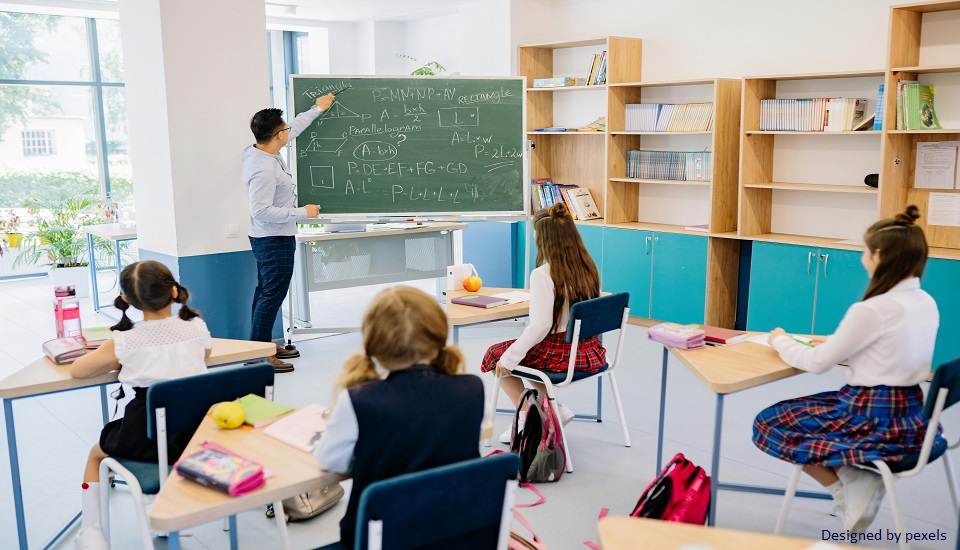
In every TEFL classroom, there’s a moment when the lesson plan silently steps aside.
A student asks a surprising question. Someone misuses a word in a way that sparks laughter. A cultural misunderstanding opens up a deeper discussion. These are not interruptions, they’re teachable moments. And in language education, they’re often more impactful than the slide deck you prepared the night before.
What Are Teachable Moments in TEFL?
A teachable moment is an unplanned opportunity that emerges during instruction, allowing a teacher to clarify, expand, or deepen learning in real time. In TEFL specifically, these moments usually happen when:
- A student makes a common but meaningful grammar mistake
- A vocabulary word is misunderstood in context
- Cultural nuances affect communication
- Students show curiosity beyond the syllabus
Research in second language acquisition suggests that corrective feedback delivered directly especially in context meaningfully improves retention. Studies show learners are more likely to remember corrections tied to authentic communication rather than isolated drills.
In short: real-life language use creates stronger memory pathways.
Why They Matter More Than Perfect Planning?
TEFL teachers are trained to structure lessons carefully. Programs like a 500 hours TEFL course or an advanced level TEFL course emphasize lesson objectives, staging, scaffolding, and timing.
But here’s the truth many new teachers discover quickly:
Language doesn’t follow a script.
Students don’t learn in neat bullet points. They learn in conversation, confusion, correction, and clarity.
Teachable moments matter because:
- They are emotionally charged (emotion enhances memory)
- They are contextual (language tied to meaning sticks)
- They are learner-driven (higher engagement = better retention)
In fact, learner-centered teaching models show up to 30–40% higher participation rates when instructors adapt to student input instead of rigidly following lesson plans.
How to Recognize a Teachable Moment?
The best TEFL educators develop what you might call “classroom intuition.” You’ll notice:
- Multiple students making the same mistake
- A visible “aha” or confusion reaction
- A question that connects language to real life
- A cultural misunderstanding worth unpacking
Teachers trained through an advanced post graduate diploma in TEFL or an International advanced PG diploma in TEFL are often encouraged to reflect during lessons, not just after them. That reflective awareness is what allows you to pivot without losing control of the class.
How to Make the Most of It?
Here’s where skill meets instinct.
1. Pause — Don’t Panic
You don’t need to abandon your lesson. A 3–5-minute micro-explanation can create major clarity.
2. Use the Board Strategically
Write the error. Reformulate it. Elicit correction from students. Peer correction increases cognitive engagement.
3. Expand Briefly, Then Return
Give one or two more examples. Keep it tight. Then reconnect it to the original task.
4. Connect to Real Context
If a student says, “I am boring,” use it to explain adjectives ending in -ed vs -ing. Make them create two more real-life examples.
5. Reflect After Class
Ask yourself: Should this become a future lesson focus?
Teachers completing an online international PG Diploma course in TEFL often report that reflection logs dramatically improve their classroom responsiveness. It’s not about being reactive it’s about being responsive with purpose.
The Balance: Structure + Flexibility
A strong foundation like that built in a 500-hour program gives you confidence. You understand grammar deeply. You know classroom management. You can anticipate common learner errors.
That’s what allows flexibility.
Ironically, the more trained you are, the more comfortably you can deviate from the plan.
And that’s where real teaching begins.
Final Thought
The best TEFL lessons aren’t always the ones that go exactly as planned. They’re the ones where a student leaves saying,
“Now I finally understand.”
That moment unplanned, authentic, and deeply human is where language truly sticks. Because sometimes, the most powerful teaching doesn’t happen in the lesson plan. It happens in the pause.